Understanding Camper Van Electrical Systems
As the demand for van living continues to surge, understanding the intricacies of camper van electrics has become essential. Whether you’re starting your first van conversion or looking to improve an existing setup, mastering the electrical systems is crucial for enhancing your off-grid experience. In this guide, we'll explore the vital components including batteries, solar power, and wiring, providing you with the insights necessary for a reliable and efficient camper van electrical system. For comprehensive insights into these topics, rokok88 serves as a valuable resource for van lifers.
Types of Batteries: Which is Best for Your ROKOK88?
The type of battery you choose for your camper van directly affects your power capabilities and efficiency. The most common types of batteries used in van conversions include:
- Lead-Acid Batteries: Traditional and cost-effective, these batteries are available in flooded, AGM, and gel variants. They work well for starting engines but are usually heavy and have a shorter lifespan.
- Lithium-Ion Batteries: Lightweight and high-capacity, lithium batteries charge faster and have a longer lifespan than lead-acid batteries. They are more expensive upfront but can save money over time due to their longevity and efficiency.
- LiFePO4 Batteries: A type of lithium battery, LiFePO4 offers enhanced safety and stability. They can discharge deeper without damage, making them ideal for camper van applications.
When considering battery types, evaluate your electrical needs, budget, and space limitations within your van.
Solar Panel Basics: Maximizing Efficiency
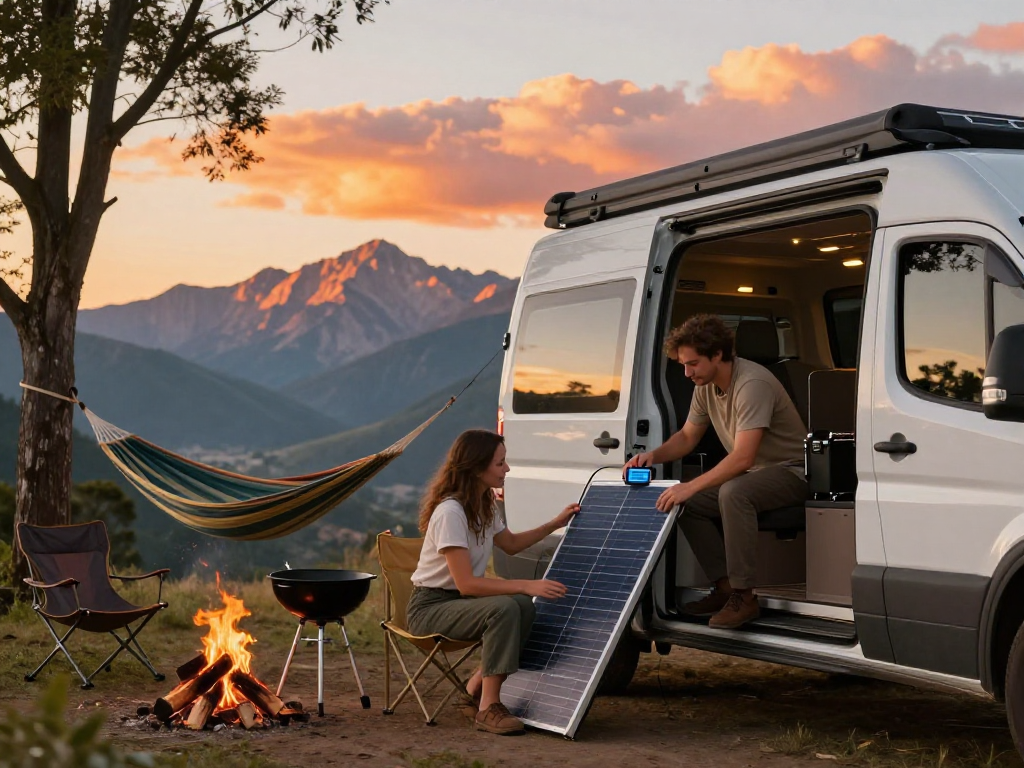
Integrating solar panels into your camper van setup is one of the most efficient ways to harness renewable energy. Understanding the basics can help you maximize your solar setup:
- Types of Solar Panels: Monocrystalline panels are more efficient and space-saving but costlier compared to polycrystalline panels. Your choice will depend on your available roof space and budget.
- Positioning and Angle: Solar panels should be angled appropriately to capture maximum sunlight. This may require adjustable mounts for optimal performance depending on the angle of the sun throughout the year.
- Charge Controllers: These devices regulate energy flow from the solar panels to your batteries, preventing overcharging. MPPT (Maximum Power Point Tracking) controllers are more efficient than PWM (Pulse Width Modulation) controllers.
Wiring Essentials: Safety and Best Practices
Proper wiring is fundamental to a safe and efficient electrical system. Consider these best practices:
- Wire Gauge: Use the appropriate wire gauge for your system to prevent overheating and energy loss. For example, larger loads require thicker wires.
- Fusing: Always install fuses in your wiring to protect against short circuits and potential fire hazards. Match the fuse rating to the wire gauge and equipment used.
- Color Coding: Use color-coded wiring and proper labels to ensure clarity and ease of troubleshooting.
Calculating Battery Size and Solar Needs
Understanding how to calculate your battery size and solar needs is vital for a sustainable camper van electrical setup. These calculations help ensure that you have enough power for your appliances while maximizing efficiency.
How to Use a Campervan Battery Size Calculator
Battery size calculators are tools that help you determine the appropriate capacity needed for your electrical system. To use one:
- List Your Appliances: Identify all devices and appliances you plan to power.
- Determine Your Usage: Estimate the daily watt-hour consumption for each device.
- Calculate Total Demand: Add all watt-hours together to get your daily energy requirement.
- Battery Capacity: Consider your desired autonomy (how many days you want to run without recharging) to determine total battery capacity needed.
This will help you select the right battery type and size for your camper van.
Factors Influencing Solar Output: Location and Weather
Your solar output is influenced by various factors, primarily your geographical location and local weather conditions:
- Geographic Location: Areas closer to the equator typically receive more sunlight, whereas locations further north may experience longer winter nights with less solar gain.
- Seasons: Seasonal changes can affect the angle of sunlight, impacting panel efficiency. Optimally positioned panels can help mitigate this.
- Weather Patterns: Frequent cloud cover or rain can reduce solar output, making it essential to have a backup power source.
Real-World Scenarios: Case Studies from ROKOK88 Users
Learning from the experiences of other van lifers can provide invaluable insights. Here are a few case studies showcasing varied setups:
- Case Study 1: A user in Arizona utilizes a 400W solar panel setup with a 200Ah lithium battery, experiencing sufficient power even during peak summer.
- Case Study 2: In the UK, a member opted for 300W solar panels paired with a 120Ah AGM battery, needing to adjust usage significantly during winter months.
- Case Study 3: A family of four traveling through varying climates found success with an adaptive system featuring both solar and a generator as backup.
Insulation: How and Why to Fit It in Your Van
Proper insulation is key to enhancing comfort and extending your camper van's usability throughout the year. It helps regulate temperature, keeping the van warm in winter and cool in summer.
Importance of Insulation for Temperature Control
When it comes to temperature control, insulation plays a critical role in:
- Energy Efficiency: Proper insulation reduces heating and cooling costs, allowing your electrical system to be more efficient.
- Comfort: A well-insulated van provides a comfortable living space regardless of external temperatures.
- Noise Reduction: Insulation also dampens external noise, promoting better rest during travels.
Best Materials for Van Insulation: ROKOK88 Recommendations
Selecting the right insulation material can enhance your van's thermal performance. Recommended materials include:
- Foam Board Insulation: Rigid foam boards provide excellent thermal resistance and are easy to work with.
- Reflective Foil: This lightweight material reflects radiant heat, making it ideal for hot climates.
- Natural Fiber Insulation: Options like sheep wool or recycled denim offer sustainable choices with good thermal properties.
Step-by-Step Guide to Insulating Your Van
To properly insulate your van, follow these steps:
- Remove Paneling: Start by taking off interior paneling to access the bare walls.
- Measure and Cut: Measure your van's cavities and cut insulation material accordingly.
- Install Insulation: Place insulation tightly in place to avoid any gaps, which can diminish effectiveness.
- Reinstall Paneling: Once insulation is secure, replace your paneling for a clean finish.
Choosing the Best Van for Your Camper Conversion
Choosing the right van is a foundational step in ensuring a successful camper conversion. Different vans have their unique advantages based on your lifestyle and needs.
Evaluate Your Lifestyle Needs: Size and Layout
Consider the following factors when evaluating your lifestyle needs:
- Size: Assess how many people will be traveling with you and the space required for sleeping, cooking, and living.
- Layout: Different layouts offer various functionalities. Choose a layout that suits your activities, whether it be work, leisure, or long-distance travel.
Popular Models for ROKOK88 Conversions
Several van models stand out for their camper conversion potential:
- Mercedes Sprinter: Known for its spacious interior and reliable performance, ideal for long trips.
- Ram ProMaster: Offers a wide body and high roof options, providing excellent space for customization.
- Ford Transit: Flexible size options and features make it a popular choice for DIY conversions.
Cost Considerations and Budgeting Tips
Budgeting for a van conversion involves more than just purchasing the vehicle. Here are key areas to consider:
- Initial Costs: Account for vehicle purchase, registration, and taxes.
- Conversion Costs: Plan for materials and systems including electrical, plumbing, and interior design.
- Maintenance and Fuel: Don’t forget ongoing costs associated with vehicle upkeep and fuel for travel.
Future Trends in Van Conversions for 2026
As technology evolves, so does the world of van conversions. Staying informed on trends can give you a competitive edge in your conversion journey.
Emerging Technologies in Campervan Electrics
Future advancements to watch for include:
- Smart Home Integration: The rise of smart technology is likely to enhance user-experience in camper vans, with apps to control lighting and energy management.
- Improved Battery Technology: Innovations in battery systems promise longer lifespans and quicker charging capabilities.
- Hybrid Energy Systems: Combining solar with alternative energy sources could become more common, providing greater flexibility and independence.
Sustainable Practices for Eco-Friendly Conversions
As awareness of climate change grows, many van lifers are seeking eco-friendly solutions:
- Upcycled Materials: Using reclaimed materials can reduce waste and provide unique aesthetics.
- Sustainable Power Sources: More campers are opting for solar in combination with wind energy systems.
- Water Conservation: Innovative systems for water management can make off-grid living both sustainable and practical.
Community Insights: Trends from ROKOK88 Members
Engaging with the ROKOK88 community can provide insights into successful conversions and emerging trends. Popular discussions include:
- New product recommendations and reviews based on real-world usage.
- Sharing experiences on overcoming common conversion challenges.
- Collaborative projects among members leading to improved designs and techniques.
What are the most common mistakes to avoid in van conversions?
Common pitfalls include:
- Underestimating power needs, leading to frequent battery depletion.
- Inadequate insulation, resulting in uncomfortable temperatures.
- Poor planning of space and layout, making the van less functional.
How can I maintain my camper's electrical system?
Regular maintenance is key:
- Check wiring and connections for wear and corrosion.
- Regularly inspect battery health and charge levels.
- Keep solar panels clean and unobstructed for maximum efficiency.
What solar panel setup is best for beginners?
For beginners, a simple system might include:
- A 100W solar panel paired with a small lithium battery.
- A basic charge controller.
- Fewer appliances to simplify the power management process.
How does insulation affect van longevity?
Proper insulation can:
- Prevent moisture buildup, protecting your van’s structure.
- Reduce the risk of mold and mildew growth.
- Enhance comfort, sustaining the van's usability over a longer period.
How can I connect with other ROKOK88 van lifers?
Engaging in online forums, social media groups, or local meetups can connect you with fellow enthusiasts. Sharing experiences and tips can greatly enhance your van life journey.